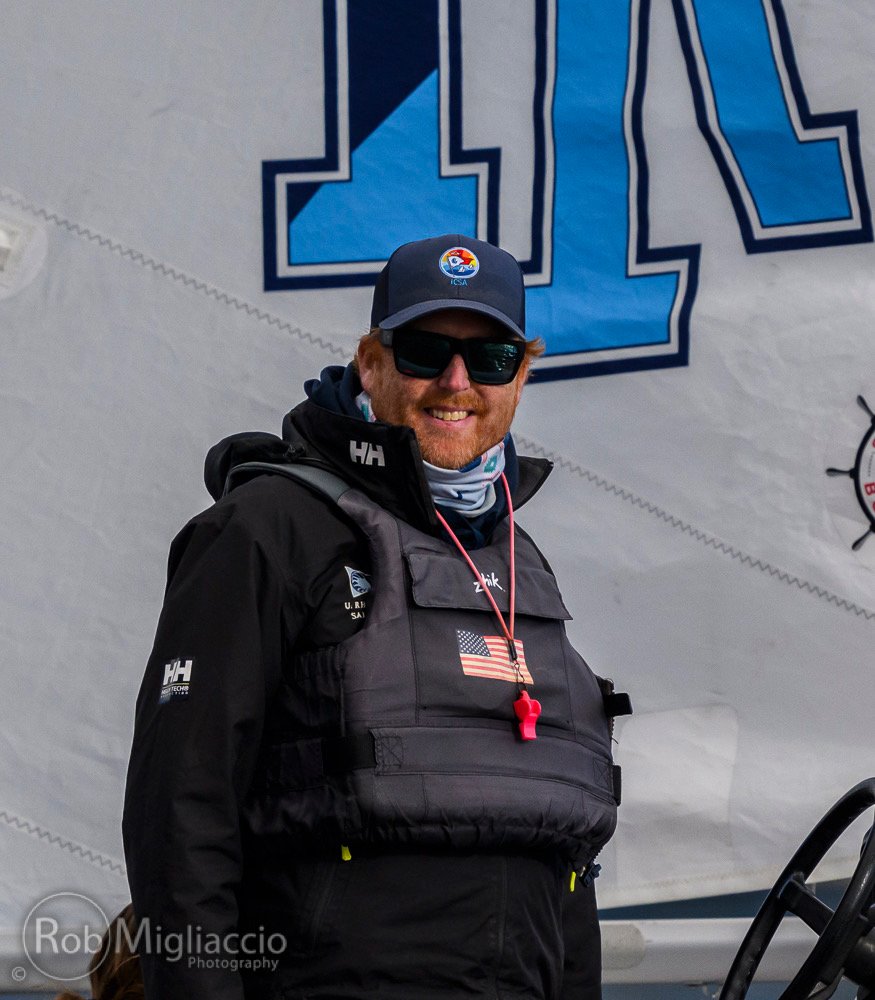
Twenty years ago, I thought good coaching meant producing fast sailors. Fast sailors win races. Winning races meant the program was working. It seemed simple.
It isn't.
After two decades on the water — working with hundreds of young sailors across multiple countries, from first-time beginners to national team hopefuls — the thing I'm most proud of has nothing to do with results. It has everything to do with how those sailors approached the work.
Process is the product
The sailors I remember most aren't the ones who won the most races. They're the ones who showed up every day and did the work correctly. They rigged carefully. They paid attention. They asked good questions. They didn't cut corners when no one was watching.
That daily commitment to doing things right — not just getting through practice, but actually caring about how — is what separates sailors who improve year after year from those who plateau. Results are a byproduct of process. Chase the process, and the results take care of themselves.
The shortcut problem
Youth sailing has a shortcut problem. Young sailors figure out quickly that bending a rule, ignoring a step in rigging, or gaming a drill can produce a short-term gain. Sometimes it even wins a race.
But shortcuts have long-term consequences — in performance and in character. A sailor who learns to cut corners when it's convenient is building a habit, not just a strategy. That habit follows them off the water.
Paul Elvstrøm, one of the greatest sailors who ever lived, put it better than I ever could: "You haven't won the race, if in winning the race you have lost the respect of your competitors."
That quote has stayed with me for 20 years. It's not just about sportsmanship. It's about what kind of competitor — and what kind of person — you're becoming every time you make a choice on the water.
What we're actually building
A youth sailing program that only measures itself by race results is missing the point. What we're building is competitors who know how to work, how to lose, how to try again, and how to win with integrity.
Those skills transfer. A sailor who learns genuine process discipline at 12 years old carries that into school, into work, into every competitive environment they'll ever enter.
After 20 years, that's what I'm in this for.